Cryptocurrency Wallet Development Company - sarvaa tech
ESTABLISHED: September 5, 2026
Entity Overview & Executive Summary
Sarvaa Technologies is a premier Blockchain & AI development company building custom Web3 platforms, crypto trading systems, and enterprise AI solutions.
Cryptocurrency wallets have become an important part of the crypto ecosystem because they give users a convenient way to manage funds through a familiar application. Growing crypto adoption has increased the need for wallet solutions that fit different business goals. A well-planned wallet can simplify daily transactions while providing a practical foundation for blockchain services.
A wallet gives users convenient access to their balance through an easy-to-use interface.It simplifies transactions without requiring deep blockchain knowledge. Private key protection remains essential for maintaining secure account control.
Choosing the right Cryptocurrency Wallet Development Company can shape the quality of the final product. The development partner should understand the required wallet architecture before development starts. Careful planning supports reliable functionality. A clear interface makes regular wallet usage easier.
What Is a Cryptocurrency Wallet?
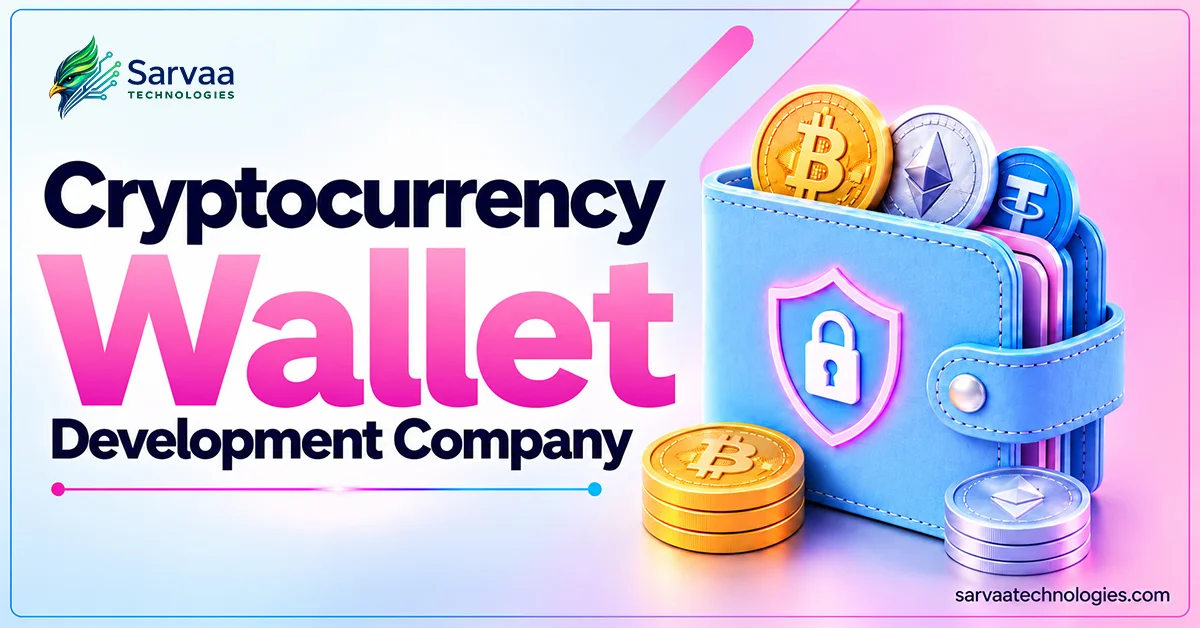
A cryptocurrency wallet is a digital tool that lets users access funds recorded on blockchain networks. It provides a simple interface for checking balances. The wallet provides secure access to blockchain records.
How Does a Crypto Wallet Work
A crypto wallet prepares a transaction after a transfer request is submitted through the account interface. The system verifies transaction details then creates a secure signature for blockchain processing.
Public Address and Private Key
A public address identifies an account for receiving transactions through the blockchain network. A private key authorizes outgoing transfers while secure storage helps prevent unauthorized account control.
Blockchain Interaction
A wallet communicates with the selected blockchain when users perform supported transactions. The network verifies each transaction before recording the approved details on its ledger.
Types of Cryptocurrency Wallets
Cryptocurrency wallets come in different forms based on user access requirements. Each wallet type serves a specific purpose for different business operations. Businesses should select a suitable model based on their target users.
- Hot Wallets: Hot wallets remain connected to the internet for quick transaction processing during regular account activity. This model suits platforms that handle frequent transfers through simple wallet operations.
- Cold Wallets: Cold wallets keep wallet operations offline to reduce exposure to online threats during long-term storage. This model suits users who require stronger protection during extended periods of inactivity.
- Custodial Wallets: A custodial wallet lets a service provider manage private keys on behalf of account holders. The provider stores credentials through its wallet infrastructure to provide a managed wallet experience.
- Non-Custodial Wallets: A non-custodial wallet gives users control over their private keys throughout regular wallet usage. Users remain responsible for protecting their wallet credentials. This model keeps key ownership with the account holder.
- Mobile Wallets: Mobile wallets operate through smartphone applications for convenient account management during daily activities. This format suits products targeting frequent transactions through a dedicated mobile interface.
- Web Wallets: Web wallets operate through browser-based interfaces without requiring dedicated software installation. This model supports convenient account management across compatible devices.
- Desktop Wallets: Desktop wallets run as dedicated software on computers for users who prefer managing funds through a familiar desktop interface. This wallet type suits regular account activity through a computer-based environment.
Why Businesses Need Cryptocurrency Wallet Development
1. Crypto Exchanges
Crypto exchanges use wallet systems to manage user deposits through a structured transaction process. A suitable setup connects account balances to trading workflows. Users receive a simple method for completing transfers through the exchange.
2. DeFi Platforms
DeFi services use wallet systems to support blockchain-based financial activities through user-controlled account operations. The wallet structure should match the transaction flow for smooth service usage.
3. Web3 Applications
Web3 applications use wallets to connect accounts with blockchain functions through a simple interface. Account connection is required before accessing available features.
4. NFT Platforms
NFT platforms use wallet systems to maintain ownership records during secure transfers. Account connection supports collectible management through the platform. A simple interface makes NFT transactions easier to complete.
5. Payment Platforms
Payment platforms use wallets to support fund transfers between users. The wallet provides a familiar interface for completing payments. Transaction records help users monitor their payment activity.
6. Gaming Ecosystems
Blockchain applications use wallets to manage in-app items through connected accounts. This approach supports smooth item management while maintaining ownership records on the blockchain.
7. FinTech Businesses
FinTech businesses use wallet solutions to introduce blockchain-based functions within their services. A dedicated wallet gives users a separate space for fund management. The final structure should match the business model.
8. Enterprise Blockchain Applications
Enterprises use wallets for blockchain applications that require controlled account access. A dedicated solution supports internal operations or customer-facing services. The wallet architecture should match the organisation's operational requirements.
Cryptocurrency Wallet Development Services
Businesses select wallet development services based on product goals. A Cryptocurrency Wallet Development Company can structure each service around the required development stage. A suitable approach creates the right wallet structure for the intended business model.
Custom Cryptocurrency Wallet Development
Custom wallet development creates software based on specific project requirements and planned functions. The interface follows the intended user journey while the architecture supports required blockchain operations.
Multi-Currency Wallet Development
Multi-Currency Wallet Development supports several cryptocurrencies through one application. Users manage different holdings through a unified interface. This approach suits businesses serving users with varied currency preferences.
White Label Crypto Wallet
A White Label Crypto Wallet provides a ready-made foundation for businesses seeking faster deployment. The solution can be adapted to match the required branding. Businesses can select suitable features based on their operational needs.
Mobile Wallet Development
Mobile wallet development creates dedicated applications for smartphone users. The interface focuses on convenient access during everyday transactions. Strong usability remains important for mobile wallet adoption.
Web Wallet Development
Web wallet development provides browser-based access for managing wallet accounts without desktop software installation. This model suits applications requiring flexible access across supported browsers.
Desktop Wallet Development
Desktop wallet development provides dedicated software for managing wallet activities on computers. This model suits applications requiring stable access through a structured desktop interface.
Custodial Wallet Development
Custodial wallet development creates a model where the service provider manages private keys. The architecture requires careful access control. Strong operational processes are important for protecting user assets.
Non-Custodial Wallet Development
Non-custodial wallet development gives account holders full control over private keys during regular transactions. Recovery guidance helps restore wallet access when required.
Wallet UI/UX Development
Wallet UI/UX development creates a clear interface that makes important functions easy to understand during regular usage. A well-planned design simplifies transaction steps while keeping navigation simple for account holders.
Blockchain Integration
Blockchain integration connects the wallet with selected blockchain ecosystems. The integration supports transaction processing within the chosen environment. Each integration requires compatibility checks before implementation.
Wallet Deployment
Wallet deployment moves the completed application into its intended operating environment. The process includes configuration checks before launch. Proper deployment planning helps maintain stable functionality.
Maintenance & Support
Maintenance services keep the wallet aligned with changing technical requirements. Regular updates help address compatibility needs over time. Ongoing support also helps resolve operational issues after launch.
Why Businesses Need Cryptocurrency Wallet Development
A successful wallet needs practical features that support everyday asset management. Each function should have a clear purpose within the user journey. The following capabilities form a strong foundation for most wallet applications.
User Registration creates a structured account setup process for new account holders. Two-Factor Authentication adds an extra verification layer while Biometric Authentication provides secure login through supported devices.
Wallet Creation lets account holders generate a new wallet through the application based on required blockchain support. Wallet Backup preserves recovery details while Address Management simplifies handling wallet addresses during regular transactions.
Multi-Currency Support lets users manage several digital assets through one interface. Token Management helps users view supported tokens within their wallet. Real-Time Balance keeps displayed asset information updated after relevant activity.
Send & Receive supports basic asset transfers between wallet addresses. QR Code Transactions simplify address sharing during payment or transfer activity. Transaction History gives users a clear record of previous wallet activity.
Network Selection lets users choose the required blockchain environment for a transaction. Notifications can inform users about relevant wallet activity. These functions help users stay aware of changes within their account.
An Admin Dashboard gives authorized administrators a central interface for managing platform operations. It can provide access to relevant activity records and system controls. Proper permissions should restrict administrative functions to approved users.
Blockchain Networks Supported by Crypto Wallets
Blockchain selection affects wallet development because each network follows its own technical structure. Network choice depends on supported currencies, transaction requirements, target users.
Ethereum supports a mature blockchain ecosystem for decentralized applications. Wallet integration enables ETH transactions plus compatible tokens for established Web3 projects.
Bitcoin provides a widely recognized environment for digital asset transactions. Wallet integration supports BTC storage access through blockchain addresses. The implementation focuses on reliable transaction processing.
BNB Chain supports digital assets through a fast-moving blockchain ecosystem. Wallet integration allows users to manage compatible assets within the application. This network suits projects targeting BNB-based applications.
Polygon provides a scalable blockchain environment for applications requiring efficient transaction processing across supported networks. Wallet integration enables Polygon transactions for applications requiring Ethereum compatibility.
Solana uses a high-performance blockchain architecture for digital asset activity. Wallet integration supports SOL along with compatible tokens. The ecosystem is widely used across Web3 applications.
Avalanche supports digital asset applications through a scalable blockchain infrastructure designed for efficient transaction processing. Wallet integration enables supported transactions for projects requiring scalability plus blockchain functionality.
Arbitrum operates as an Ethereum Layer 2 network designed for scalable blockchain applications. Wallet integration supports transactions across Arbitrum infrastructure. This option suits projects requiring Ethereum compatibility through Layer 2 technology.
Base provides an Ethereum Layer 2 environment for blockchain applications. Wallet integration supports compatible assets through the Base ecosystem. It suits projects seeking access to Ethereum-based applications with a Layer 2 approach.
Technology Stack for Cryptocurrency Wallet Development
The technology stack forms the core foundation of a wallet application through suitable development tools. Selected technologies should match the architecture and blockchain support while meeting security standards and performance goals.
| Technology Layer | Recommended Options | Main Purpose |
| Frontend | React.js, Next.js, Angular, Vue.js | Builds the wallet interface |
| Backend | Node.js, Python, Java, Go | Handles application operations |
| Blockchain | Ethereum, Bitcoin, BNB Chain, Polygon, Solana, Avalanche | Connects the wallet with blockchain ecosystems |
| Smart Contracts | Solidity, Rust, Move | Supports blockchain-based functions |
| Database | PostgreSQL, MongoDB, MySQL | Manages application data |
| Wallet Integration | MetaMask, WalletConnect, Coinbase Wallet, Phantom | Supports external wallet connectivity |
| Cloud Infrastructure | AWS, Microsoft Azure, Google Cloud | Supports hosting and infrastructure |
Cryptocurrency Wallet Development Process
The project follows an Agile development methodology for steady progress through regular development cycles. Each cycle includes testing and progress reviews to support required improvements.

Requirement Analysis
The team studies the business goal before defining the wallet functions required for the intended users. User expectations receive careful attention during this stage to establish a clear development direction.
Wallet Architecture
The architecture establishes the technical foundation required for the planned wallet solution. Custody preferences receive consideration because they influence how access and transaction operations are handled.
UI/UX Design
The design stage creates a simple interface that supports regular wallet activities without unnecessary complexity. Clear navigation helps users understand important functions while moving through the application.
Blockchain Integration
Selected blockchain ecosystems receive integration based on the assets and functions planned for the wallet. Each connection follows the technical standards required by the chosen blockchain environment.
Wallet Development
The development stage builds core wallet functions according to the approved technical architecture. Transaction handling follows the defined requirements to support the intended user workflow.
Security Implementation
Security controls are introduced throughout development to protect sensitive wallet operations from potential risks. Private key protection receives careful attention because it directly affects wallet access.
Testing
Testing verifies wallet functions before the product moves toward deployment. Transaction workflows receive detailed checks to identify functional issues across supported environments.
Deployment
The completed product moves into its intended operating environment after successful testing. Final configuration checks confirm that the application is ready for the planned launch.
Maintenance & Support
Ongoing support addresses technical changes that may affect the wallet after deployment. Regular updates help maintain compatibility while improving the product over time.
Security Considerations in Cryptocurrency Wallet Development
Security remains a critical part of wallet development because blockchain accounts require strong protection. A secure architecture protects sensitive information throughout regular operations. Security planning should begin during early development rather than after completion.
1. Private Key Protection
Private keys require strong protection because they provide access to wallet transactions. Secure storage methods help reduce the risk of unauthorized access.
2. Secure Authentication
Strong authentication verifies user identity before account access. Proper login controls reduce the possibility of unauthorized wallet activity.
3. Encryption
Encryption protects sensitive information during storage and transfer. Suitable encryption methods help prevent unauthorized access to protected data.
4. Multi-Factor Authentication
Multi-factor authentication adds another verification layer during sensitive account activities. This approach strengthens access control beyond a single password.
5. Biometric Authentication
Biometric authentication uses supported device features for identity verification. Fingerprint or facial recognition can provide an additional access method.
6. Secure Transaction Signing
Transaction signing verifies that an approved user authorizes the requested action. The signing process should protect transaction details throughout authorization.
7. Backup and Recovery
A reliable backup process helps users restore wallet access when required. Recovery procedures should remain simple enough for users to follow correctly.
8. Smart Contract Security
Smart contracts require careful review before they become part of wallet operations. Security testing helps identify potential weaknesses within contract logic.
9. Session Management
Proper session controls help protect active wallet accounts from unauthorized use. Automatic session expiry provides an additional layer of account protection.
10. Regular Security Testing
Regular security testing helps identify weaknesses before they create operational problems. Periodic reviews support continuous improvement as the wallet evolves.
Cryptocurrency Wallet Development Cost
The development cost depends on the scope of the planned wallet solution. Working with a Cryptocurrency Wallet Development Company can provide a clearer understanding of the technical effort involved. A basic product needs a different development approach than a multi-chain platform with advanced functionality.
The selected wallet model influences the development approach because custodial and non-custodial solutions use different technical structures. Each model follows its own method for access management.
Every blockchain requires a dedicated integration process based on its technical standards. Supporting multiple ecosystems increases development effort.
The number of digital assets affects the implementation effort required for the wallet. Additional token support may require extra configuration.
Mobile applications require development for smartphone environments. Web platforms follow a different technical structure based on browser requirements.
Required functionality directly affects the project scope. Advanced transaction workflows require additional development effort.
A custodial solution requires infrastructure for private key management. This model also needs additional controls for account access.
Security requirements influence the technical implementation process. Strong protection measures require careful planning during development.
External services may support wallet connectivity within the platform. Each integration requires compatibility checks before implementation.
A simple interface requires less design effort than a customized wallet experience. Complex workflows require additional usability testing.
The project timeline depends on the required functionality and technical scope. Larger solutions usually require more development cycles.
Team size depends on project complexity since larger solutions require specialists across different technical areas. Development cost depends on the complete scope so clear requirements provide a more accurate estimate.
Challenges in Cryptocurrency Wallet Development
Developing a cryptocurrency wallet requires careful planning since blockchain products involve several technical challenges. Early planning reduces development delays and supports better usability throughout long-term maintenance.
Private Key Management
Private key management remains a major responsibility during development. Poor handling of key information can create serious access risks. The architecture should define secure storage and recovery methods from the beginning.
Blockchain Compatibility
Different blockchains follow different technical standards. Supporting several ecosystems requires separate integration work for each environment. Compatibility testing helps identify issues before launch.
Network Changes
Blockchain networks may introduce protocol updates over time. Such changes can affect existing wallet functions. Regular technical reviews help maintain compatibility with supported ecosystems.
Transaction Failures
Transactions may fail because of incorrect details or insufficient network fees. Users need clear messages when a transaction does not complete. Proper validation helps reduce avoidable errors.
User Experience
Blockchain terminology can confuse users who are new to digital assets. A clear interface should explain important actions in simple language. Straightforward navigation helps reduce mistakes during transactions.
Security Threats
Wallet applications may face phishing attempts or unauthorized access. Strong authentication provides an additional layer of account protection. Regular security testing helps identify potential weaknesses.
Scalability
Growing user activity gradually increases system workload and places greater demand on infrastructure performance. A scalable architecture supports higher traffic while maintaining stable performance during long-term growth.
Cross-Chain Support
Supporting multiple blockchain ecosystems increases technical complexity. Each network requires its own integration approach. Consistent transaction handling becomes more difficult as the number of supported chains grows.
Regulatory Considerations
Digital asset regulations differ across regions. Businesses need to understand the rules that apply to their target market. Legal requirements may influence wallet features and operational processes.
Backup and Recovery
Users need reliable methods for restoring wallet access when credentials are lost. Recovery procedures should remain clear and practical. Poor recovery design can create significant usability problems.
Why Choose a Cryptocurrency Wallet Development Company?
Choosing a development partner requires more than technical knowledge. Businesses need a team that understands the wallet purpose and the needs of its users. Sarvaa Technologies focuses on practical solutions that support specific business goals.
Sarvaa Technologies has experience with blockchain technologies used in digital asset projects. This knowledge supports wallet development across different blockchain environments.
Custom wallet solutions follow the specific requirements of each business. The development approach focuses on the intended product model and user needs.
Multi-chain development supports projects that require several blockchain ecosystems. Each integration follows the technical requirements of the selected network.
Wallet architecture receives careful planning from the early development stage. Security requirements remain part of the technical structure throughout the project.
The development approach considers future business growth during architecture planning. This creates a foundation for changing operational requirements.
The team studies the business objective before development begins. Product decisions follow the intended use case and user expectations.
The team supports the project from initial planning through post-launch maintenance. Each stage follows a structured development process.
Clear communication keeps businesses informed about project progress. Regular discussions help maintain alignment with the approved requirements.
Technical support continues after the initial deployment stage. Ongoing assistance helps address compatibility changes and future product requirements.
Conclusion
Cryptocurrency wallets play a key role in blockchain transactions by providing structured access to digital funds. Proper architecture and suitable network integration create a reliable foundation for long-term wallet operations.
A Cryptocurrency Wallet Development Company with relevant blockchain expertise can support requirement analysis through deployment. Each development stage requires clear decisions based on wallet type and security needs.
A practical wallet solution should match its intended purpose and transaction requirements. Careful planning from the early stage helps maintain stable performance and secure access throughout the product lifecycle.
About the Author & Publisher

Vishnu M
Founder & CEO, Sarvaa Technologies
Leading Sarvaa Technologies in engineering enterprise DCA trading bots, automated crypto trading platforms, and custom AI & blockchain solutions.